

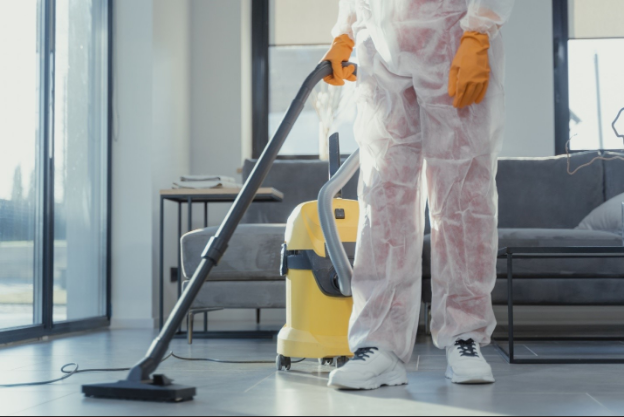
A professional deep cleaning appointment can take several hours and involve much more activity than routine housekeeping. Cleaners may vacuum hard-to-reach spaces, scrub bathrooms, wipe baseboards, move light furniture, clean kitchen surfaces, and work through rooms that are normally handled only during occasional maintenance.
That raises a practical question: should you stay home while the work is being completed?
For many households, there is no reason to remain for the entire appointment. Others may need to stay because of pets, children, remote work, access requirements, or special instructions. The best decision depends on what the cleaners need from you and what will make the service run most smoothly.
Key Takeaways
- You generally do not need to remain home throughout a professional cleaning appointment.
- Leaving gives cleaners unobstructed access to rooms and surfaces.
- Staying can be helpful during a first appointment or when a home has special-care surfaces.
- Children and pets should be kept away from active cleaning areas.
- Remote workers can usually remain home by coordinating room access.
- A short walkthrough followed by leaving is often a practical middle ground.
When to Stay or Leave During Deep Cleaning
Leave When Cleaners Need Full Access
An empty home can make deep cleaning easier because the team can work through rooms in a planned order without repeatedly adjusting around household activity.
Some tasks require clear access to large areas. Vacuuming beneath furniture, wiping baseboards, cleaning bathrooms, and completing floor cleaning are easier when people are not walking through the workspace. Freshly mopped surfaces can also be left undisturbed while they dry.
This is particularly helpful when several rooms are being cleaned in one visit. Instead of changing their workflow to accommodate occupied rooms, cleaners can move systematically through the property.
Leave If the Appointment Will Disrupt Your Day
Cleaning equipment, vacuuming, running water, and movement between rooms can make normal household activities difficult.
If you plan to take work calls, rest, study, or concentrate on another task, leaving may be more comfortable than trying to work around the cleaning crew. A detailed deep cleaning appointment can also involve temporary odors from approved cleaning products or disturbed dust from areas that have not been cleaned recently.
Rather than waiting through the process, you can use the appointment time for errands, office work, shopping, or another activity and return when the service is complete.
Stay for the Initial Walkthrough
Being present at the beginning of a first appointment is useful even if you do not plan to stay afterward.
Walk the cleaners through the home and identify priority areas, rooms that should be skipped, delicate belongings, access restrictions, and anything that requires special attention. You should also confirm exactly what the booked service includes.
For example, window cleaning may be a separate service rather than part of a standard whole-home package. Clarifying the scope before work begins prevents assumptions on either side.
Once the walkthrough is complete and the team has the information it needs, there is usually no reason to supervise the entire appointment.
Stay When Surfaces Need Special Care
Some homes contain materials that should not be treated with standard cleaning methods.
Natural stone, antique furniture, specialty flooring, delicate wood finishes, painted cabinetry, or unusual fixtures may require specific products or techniques. If deep cleaning has not worked in your home before, explain these requirements to the team before they begin.
You may also need to provide instructions about alarms, locked rooms, building access, parking, or areas containing fragile belongings.
If several details are involved, prepare a short written list. This reduces the chance that an instruction is forgotten and means you do not need to follow cleaners from room to room.
Make Separate Plans for Children and Pets
Children and pets create a different consideration because an active cleaning area temporarily contains equipment that is not normally present.
Vacuum cords, buckets, cleaning tools, open doors, and damp floors can create obstacles. Pets may also become nervous around unfamiliar people or noisy equipment.
When possible, arrange for young children or anxious animals to be elsewhere during the busiest part of the deep cleaning appointment. If they remain home, keep them in a secure room that the cleaners are not currently using.
Tell the team exactly where pets are located, particularly if outside doors may be opened during the service.
Stay If You Work from Home
You do not automatically need to leave because you work remotely.
Choose one room as your workspace and ask the cleaners to handle it last. Once the rest of the property is finished, you can briefly relocate while they clean that room.
This arrangement works best when you can tolerate occasional noise and movement elsewhere in the house. If you have important meetings or need complete silence, working somewhere else for the day may be more practical.
Services involving extensive window washing or equipment near your workspace may also make temporary relocation worthwhile.
Use the Hybrid Approach if Needed
For many homeowners, the most practical option is to stay at the beginning and leave once the cleaning plan is clear.
Greet the team, complete the walkthrough, answer questions, and identify anything requiring special care. Then step out for a few hours while remaining reachable by phone.
This approach combines the main benefits of staying and leaving. The cleaners receive the information they need, but they can complete the work without unnecessary interruptions.
It can work particularly well for recurring residential cleaning appointments because the team becomes increasingly familiar with the property and requires less direction on future visits.
When Should You Return?
There is no universal waiting period after professional cleaning.
Return time depends on the products used, ventilation, drying time, and the work completed. Freshly mopped floors may need time to dry, while certain cleaning products may require additional ventilation.
Before leaving, ask the cleaning company whether there are any instructions for returning to the property, allowing surfaces to dry, or ventilating rooms afterward.
Conclusion
You usually do not need to stay home throughout a deep cleaning appointment. Leaving can give cleaners uninterrupted access to rooms while freeing you to use those hours elsewhere.
Staying is more useful when cleaners are visiting for the first time, your home contains surfaces requiring special care, or children, pets, access issues, or remote work make leaving impractical. You also do not have to choose between staying all day and leaving completely. Meeting the team, completing a walkthrough, and then stepping out is often the simplest solution.
What matters most is preparation. Clear instructions, secure valuables, planned pet arrangements, and reliable communication allow the cleaning team to focus on the work without requiring constant supervision.
Make your next deep cleaning appointment easier to plan. Book professional residential cleaning with 3 LA Cleaning.
FAQs
Should I put away valuables before cleaners arrive?
Yes. Store cash, jewelry, sensitive paperwork, medications, and small valuables before the appointment so cleaners can work around cleared surfaces without concern.
Do I need to declutter before a deep cleaning?
Light decluttering helps. Removing clothing, toys, dishes, and loose personal items gives cleaners better access to floors, counters, furniture edges, and other detailed areas.
What information should I leave if I go out?
Provide entry instructions, alarm details if applicable, parking information, locked-room restrictions, and a phone number the team can use if a question comes up.
Should I open windows before the cleaners arrive?
Ask the cleaning company first. Ventilation needs depend on the weather, the products used, and the home. The team can explain whether window opening or mechanical ventilation is appropriate.
When can I use freshly cleaned floors again?
Wait until wet floors or treated surfaces are fully dry according to the cleaner’s instructions. This reduces slip risk and prevents footprints or new soil from marking the finish.