

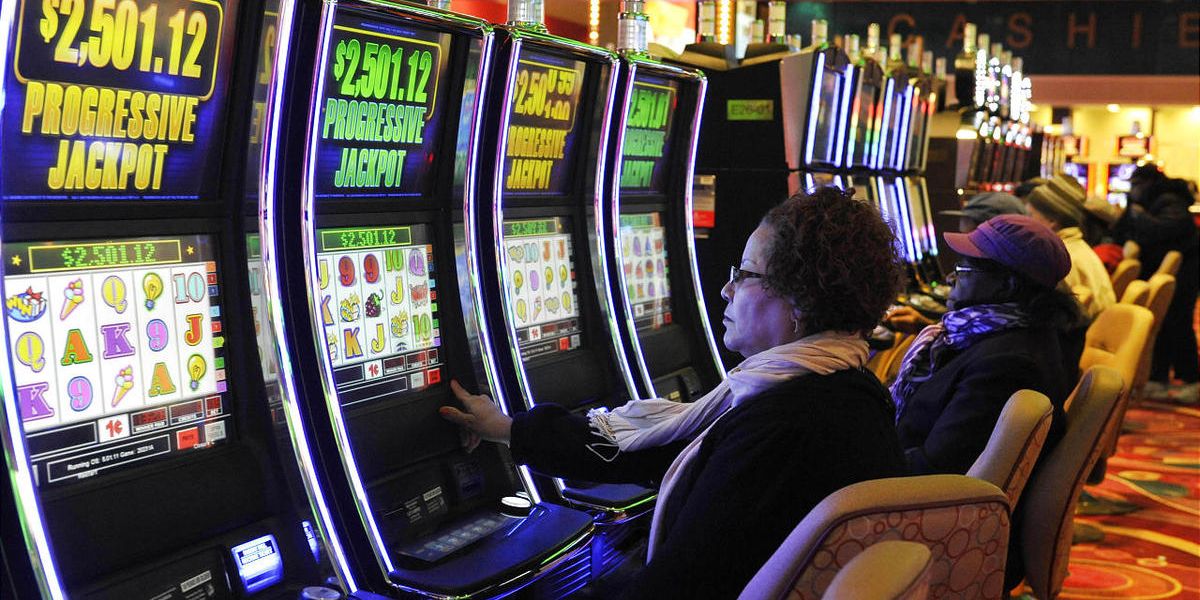
Transparent gaming commences with honest time tracking. When I take a seat to play at PiperSpin Casino, I desire the experience to remain a deliberate choice, not drift into an unthinking habit. Reality check reminders function as soft nudges that pull me back into the current moment, displaying precisely how long my session has been running. These pop-up notifications show up at spans I set myself, and they demand a purposeful response before I can proceed. For Belgium players, this tool is a organizational safeguard that aligns into the broader culture of player protection I prioritize. I see it as a alliance between the platform and my own self-awareness.
The way Reality Check Reminders Operate at PiperSpin Casino
When I enable a reality check, the system quietly tracks my continuous play time in the background. Once my chosen interval arrives, the game screen halts and a notification appears over the interface. This message shows the total minutes I have accumulated in the current session, plus my net win or loss during that period. I may not dismiss this alert with a single absent-minded click. The interface compels me to acknowledge the data, and I must consciously choose whether to continue playing, view my full account history, or exit the session entirely. This mandatory pause interrupts the autopilot loop that can develop during extended play, restoring my decision-making capacity right when I need it most.
Navigating the Belgium Regulatory Framework
The Belgian Gaming Commission mandates strict player protection measures that define how PiperSpin Casino executes its responsible gambling tools. I gain from mandatory identity verification that blocks underage access and secures that self-excluded individuals cannot simply create new registrations. The regulator also demands operators to maintain a dedicated responsible gambling page with clear, accessible details. For me, this signifies that the reality check feature is not an optional add-on but a compliance requirement undergoing external review. Knowing that an independent authority monitors these safeguards provides me confidence that the tools function as described and that my self-exclusion status carries legal weight across all licensed platforms in the jurisdiction.
Effective Strategies for Healthy Play Habits
I build my sessions around fixed endpoints rather than trusting only willpower in the moment. Before signing in, I set a maximum time commitment and a loss limit that I write down in a physical notebook. The reality check then acts as a verification mechanism rather than my only line of defense. I also arrange non-gaming activities right after my planned session end time, establishing a natural transition that lessens the temptation to extend. Another technique I use involves treating the reality check pop-up as a mandatory hydration and stretch break. This reframes the interruption as a wellness practice, making me more likely to appreciate it rather than dislike the pause.
Creating a Individual Accountability System
Utilizing Session History as a Mirror
I check my play logs each week, not to evaluate myself but to identify patterns with inquisitiveness and honesty. The session history shows me precisely when I played, how long each session lasted, and what financial outcomes occurred. When I notice that my lengthiest sessions cluster around late-night hours after stressful workdays, I obtain actionable insight rather than ambiguous guilt. I can then change my reality check intervals particularly for those high-risk time windows. This data-driven approach removes the emotional charge from self-assessment and swaps it with unambiguous, impartial information that guides better choices. The log becomes a mirror showing my actual behavior rather than my self-perception.
Including a Trusted Person in Your Plan
I have found that sharing my responsible gambling settings with someone I trust creates an outside layer of commitment. This person does not require access to my account; simply understanding that I have set a 30-minute reality check and a weekly deposit limit makes those boundaries feel more tangible. If I contemplate removing the limits, I first discuss it with them, which adds a thoughtful pause. This practice functions best with someone who communicates without judgment and comprehends that setbacks are part of the process. The goal is support, not monitoring. I pick someone who respects my autonomy while being willing to ask sincere questions when they notice changes in my mood or availability.
Finding Professional Support Resources
When self-management tools stop feel sufficient, I reach out to specialized organizations that comprehend gambling-related challenges. These services operate independently from gaming platforms, so the guidance I obtain has no conflict of interest. Professional counselors can help me uncover the underlying triggers that self-exclusion alone cannot address. I keep a https://www.reddit.com/r/poker/comments/ookwth/does_3pair_exist_im_playing_holdem/ list of helpline numbers and chat services readily available, not as an admission of failure but as a practical component of my safety plan. Many of these resources provide multilingual support, which is relevant for Belgium players navigating a complex linguistic landscape. Confidentiality is a core principle across all recognized support channels I have researched.
Identifying Preliminary Signs of Concerning Play
I monitor slight shifts in my actions that often lead to larger issues. Pursuing losses stands out as the most common red flag I face. When I detect myself boosting bet sizes right after a losing streak, the reality check data becomes invaluable. Other signs include playing longer than I originally scheduled despite feeling tired, skipping meals or social commitments to prolong a session, and feeling annoyed when I cannot enter the platform. I also monitor my emotional state during reality check pop-ups. If I feel real anger or anxiety when the reminder appears, that reaction itself suggests that I have shifted away from recreational play and toward compulsive engagement.
Adjusting Your Session Time Limits
Selecting the Proper Interval for Your Style
I recommend choosing an interval that matches your usual focus duration rather than an arbitrary number. The platform lets me establish reminders at 15, 30, 45, or 60-minute marks. If I have a tendency to lose track of time quickly, a 15-minute reminder acts as a regular anchor point. For more casual sessions where I sense in control, a 60-minute interval might suffice. I try different settings across several sessions to discover the rhythm that feels helpful rather than intrusive. The goal is not to interrupt my enjoyment but to ensure that enjoyment stays deliberate. I adjust these intervals whenever my conditions or mental state change, viewing the setting as a adaptable tool.
Merging Reality Checks with Deposit Limits
I notice that reality checks become a lot more powerful when paired with financial boundaries https://piperspin-casino.eu/fr-be/responsible-gambling/. After acknowledging a reality check that shows a loss, I am better placed to determine whether putting in more funds fits my original budget. The time reminder forms a rational checkpoint where I can check my deposit limit status. If I have already hit 80% of my daily deposit cap and the reality check shows I have been engaged for two hours, I have concrete data to back up a decision to stop. This combination turns two individual features into a integrated personal safety net that addresses both temporal and financial dimensions of my play.
Self-Exclusion Options for Longer Breaks
Short-Term Cool-Off Periods
When I detect early symptoms of problematic patterns, a short cool-off provides me space to reset without binding to a long separation. PiperSpin Casino allows me activate a break spanning from 24 hours to six weeks. During this time, my account becomes unavailable for real-money play, and I cannot log in to make wagers. The system enforces this boundary automatically without demanding any manual involvement from support staff. I appreciate that the cool-off applies immediately upon confirmation, removing the temptation to plan it for a future date. At the end of the chosen period, my account reactivates automatically, allowing me return with a refreshed perspective.
Extended Self-Exclusion Pathways
For deeper structural changes, I can decide for a self-exclusion period of six months or beyond, up to an open-ended timeframe. This procedure demands me to get in touch with the support team directly, which brings a layer of deliberateness to the decision. Once active, the exclusion stops all promotional communications and blocks account reactivation until the full term elapses. I understand that this action is legally enforceable under the platform’s licensing requirements, and early cancellation is not available. This permanence within the selected window forms a secure environment where I can focus entirely on regaining balance without negotiating with myself about whether to return early.
Common Questions
What takes place when a reality check reminder activates during my game?
Your active game pauses immediately, and a full-screen notification appears. This overlay presents your current session duration and net financial result. You can’t close it with a single click. You must manually select one of three options: continue playing, review your full account history, or end the session. This forced interaction guarantees you genuinely absorb the time and money data before making your next decision.
Can I change my reality check interval while a session is already in progress?
Yes, you can adjust the interval during an active session, but the change only applies after the next reminder fires. If you reduce the interval from 60 to 30 minutes mid-session, the system will still hold off until the original 60-minute mark before applying the new 30-minute frequency. This prevents confusion and makes sure you always obtain at least one reminder based on a setting you consciously selected.
Will self-exclusion at PiperSpin Casino cover to other online casinos in Belgium?
Personal ban through PiperSpin Casino is specific to this platform. However, Belgium also has a national self-exclusion register called EPIS, which blocks access across all licensed operators in the country. If you need a comprehensive exclusion covering multiple sites, I suggest contacting the Belgian Gaming Commission directly to register with EPIS, which delivers broader protection than any single-platform exclusion can offer.
How soon does a cool-off period become active after I request it?
The cool-off becomes active immediately upon your confirmation. There is no waiting period or processing delay. As soon as you finish the request form and submit it, your account locks for real-money play. You will not be able to log in and place wagers until the chosen duration expires. This instant enforcement eliminates the risk of a final impulsive session before the break begins.
Will I continue to receive marketing emails during a self-exclusion period?
No. Once your self-exclusion or cool-off period begins, all promotional communications cease automatically. The system stops marketing emails, SMS messages, and push notifications for the entire duration of your break. This communication blackout is a regulatory requirement designed to prevent triggers that might undermine your decision to step away. You will only receive legally mandated service messages if applicable.
What should I do if I feel the available responsible gambling tools are not enough for my situation?
If the built-in tools appear lacking, I recommend reaching out to a professional support organization immediately. Services like Gambling Therapy or local Belgian helplines deliver free, confidential counseling from specialists who are familiar with compulsive behaviors. These professionals can help you develop strategies beyond platform features, including cognitive behavioral techniques and, if appropriate, connections to in-person treatment programs in your region.
Is it possible to permanently shut down my PiperSpin Casino account instead of using temporary self-exclusion?
Yes, permanent account closure is an option. Unlike self-exclusion, which has a defined duration, permanent closure means your account will not automatically reactivate. You should get in touch with customer support directly to request this option. Be aware that permanent closure typically prevents you from opening a new account with the same operator in the future, making it a definitive step that requires careful consideration beforehand.