

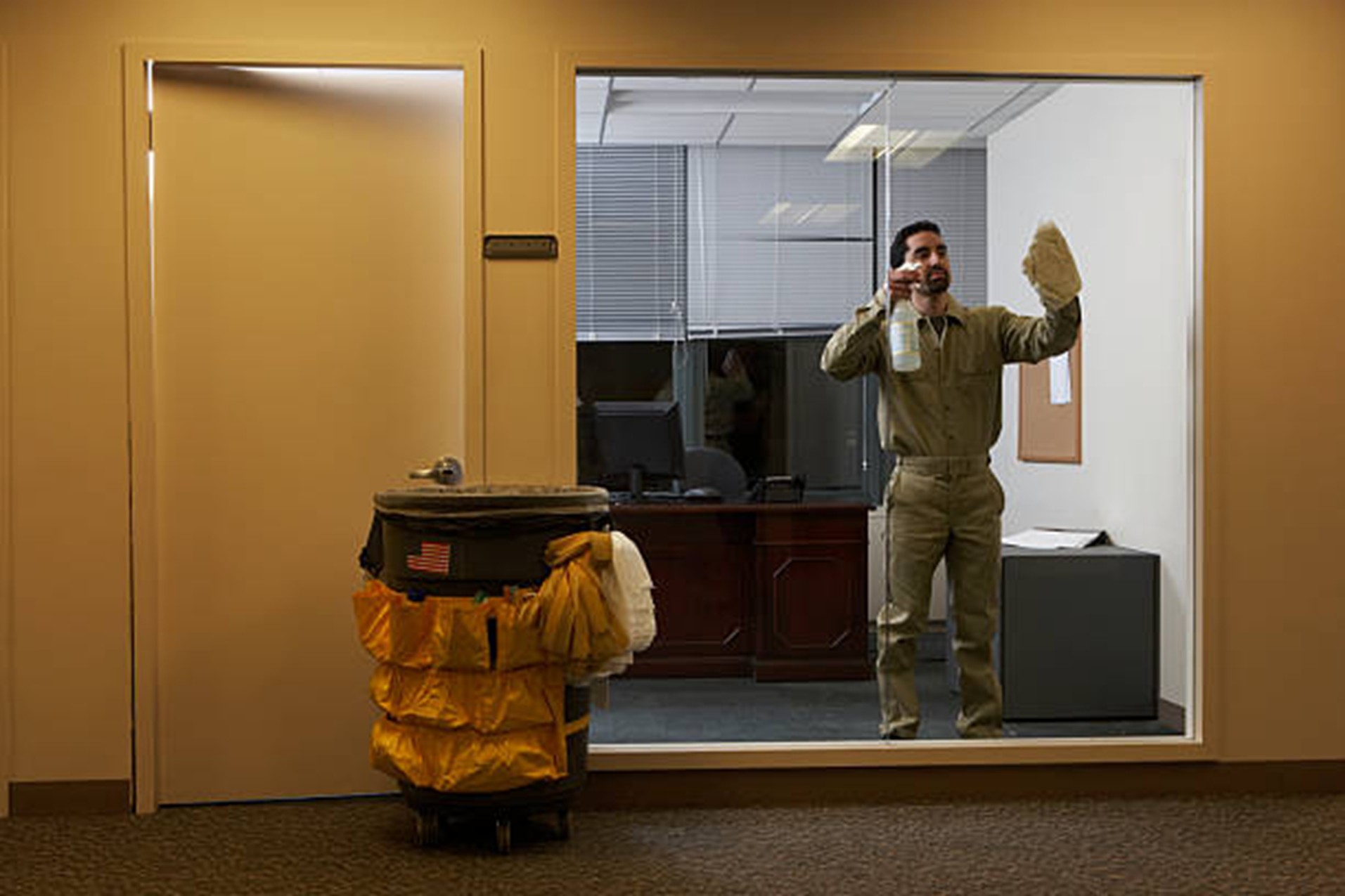
Walk into two offices.
In one, desks have dust buildup, fingerprints cover the glass doors, and the breakroom sink is full of dishes from yesterday. In the other, surfaces are clean, floors shine, and the air feels fresh.
Which office do you think employees feel better working in?
A clean workspace is not only about appearance. It directly affects employee health, productivity, and morale. Studies from workplace health organizations show that cleaner environments can reduce illness spread, improve concentration, and create a more positive work culture.
So, the real question becomes this.
How often should businesses schedule office cleaning to maintain a truly healthy workplace?
The answer depends on several factors, and we are here to break it down for you.
Key Takeaways
- A clean office directly impacts employee health, productivity, and morale.
- Offices with more employees and higher foot traffic require more frequent cleaning.
- Daily office cleaning should focus on restrooms, trash removal, breakrooms, and high-touch surfaces.
- Weekly cleaning helps maintain floors, windows, and general dust control.
- Monthly deep cleaning removes hidden dust, allergens, and bacteria from carpets, vents, and furniture.
- A customized cleaning schedule based on office size and industry helps maintain a healthier workplace.
Why Office Cleaning Frequency Matters More Than Most Businesses Think
Many businesses treat cleaning as something that just needs to happen “occasionally.” But offices are actually one of the easiest places for germs to spread. Think about how many shared surfaces employees touch every day, such as keyboards, elevator buttons, door handles, breakroom appliances, conference tables, and shared desks.
Research from the University of Arizona revealed something surprising. The average office desk can contain up to 400 times more bacteria than a toilet seat. When cleaning is inconsistent, germs can move quickly through an office.
Another workplace hygiene survey found that 94% of employees reported feeling more productive in a clean workspace, and 77% said they produce higher-quality work when their environment is clean and organized.
There is also a strong connection between workplace hygiene and employee health. According to workplace health research, improving cleaning and hygiene practices can reduce employee sick days by up to 46%.
That means cleaning is not just about appearance. It directly affects:
- Employee health
- Workplace productivity
- Client impressions
- Operational efficiency
Regular office cleaning is one of the simplest ways businesses can protect their workforce while maintaining a professional environment.
How Often Should Offices Be Cleaned?
This is where many business owners get confused. They often ask a simple question: How often should an office be cleaned?
But the reality is that there is no single schedule that works for every office. The right cleaning schedule depends on several key factors.
Office size
Large offices naturally collect more dust and foot traffic. They often require more frequent professional cleaning services.
Number of employees
The more people sharing a workspace, the faster surfaces become contaminated. A team of 50 employees will generate significantly more cleaning needs than a team of 10.
Industry type
Some industries require stricter sanitation standards. For example:
- Healthcare offices
- Childcare centers
- Shared coworking spaces
These environments typically require more frequent office cleaning to maintain safety standards.
Foot traffic from visitors
Offices that receive many clients or visitors should increase cleaning frequency. More people entering the building means more dirt, bacteria, and allergens brought inside.
Daily Cleaning Tasks Every Office Should Schedule
Some cleaning tasks should happen every day because they involve areas where germs spread the fastest.
Restroom sanitation
Restrooms require daily disinfecting to prevent bacterial buildup and remove odors. Professional cleaning services should sanitize:
- Sinks
- Toilet handles
- Faucets
- Door handles
- Counters
Restrooms are one of the most sensitive areas in any workplace, and proper sanitation helps prevent illness from spreading among employees.
Trash removal
Trash bins can quickly become sources of bacteria and unpleasant odors. Daily trash removal helps prevent contamination, especially in kitchens and breakrooms.
Breakroom surface cleaning
Breakrooms are often the busiest areas in an office. Employees prepare food, store lunches, and use shared appliances like microwaves and refrigerators.
Daily disinfecting of surfaces helps reduce bacteria transfer between employees.
High-touch surface disinfection
Surfaces that many people touch should be sanitized every day. This includes:
- Door handles
- Elevator buttons
- Shared desks
- Conference tables
- Light switches
Consistent daily office cleaning reduces the chances of viruses and bacteria spreading across the workspace.
Weekly Cleaning Tasks That Maintain a Healthy Office
While daily cleaning handles surface-level hygiene, weekly tasks address deeper maintenance.
Floor cleaning
Floors collect dust, dirt, and allergens brought in from outside. Weekly floor cleaning is essential for maintaining air quality. This includes:
- Vacuuming carpets
- Mopping hard floors
- Cleaning under desks and furniture
Without proper floor cleaning maintenance, dust can circulate in the air and affect employees with allergies or respiratory issues.
Window cleaning
Natural light improves workplace mood and productivity, but dirty windows reduce the amount of light entering the space. Weekly window cleaning helps maintain a bright, professional office environment. It also prevents the buildup of dust and grime that can permanently damage glass surfaces over time.
Monthly Cleaning Tasks That Protect Workplace Health
Even with daily and weekly cleaning routines, certain tasks require deeper attention. This is where scheduled deep cleaning becomes important.
Carpet sanitation
Carpets trap bacteria, dust mites, and allergens deep within fibers. Monthly deep cleaning includes shampooing, which helps remove contaminants that normal vacuuming cannot reach.
Air vents and filters
Dust buildup inside vents can circulate particles throughout the office. Cleaning vents improves air circulation and reduces respiratory irritants.
Upholstery cleaning
Office chairs and couches absorb dust and body oils over time. Professional cleaning helps extend furniture’s lifespan while improving hygiene.
Monthly deep cleaning keeps offices healthier and prevents long-term buildup that becomes harder to remove.
How to Build the Right Office Cleaning Schedule
Creating the right cleaning plan begins with evaluating the workplace. Start by asking a few key questions:
- How many employees work in the office each day?
- Which areas receive the most traffic?
- How often do clients or visitors come into the workspace?
- Are there shared kitchens, lounges, or conference rooms?
- Do employees report dust, odors, or hygiene concerns?
Once these factors are understood, businesses can develop a schedule that includes daily, weekly, and monthly tasks.
Many offices find that daily professional cleaning combined with periodic deep cleaning provides the best balance between hygiene and cost.
Conclusion
A healthy workplace does not happen by accident. It happens through consistent care and smart planning. When cleaning routines are structured properly, employees feel better, focus improves, and the entire office environment becomes more welcoming.
Think about the message a clean workplace sends. It tells employees their health matters. It tells clients your business values professionalism and attention to detail. Scheduling regular office cleaning is not simply a maintenance task. It is an investment in the people who keep your business running every day.
And when the workspace feels fresh, organized, and cared for, everyone benefits. Give us a call, and we will help you clean your office.
FAQs
Can regular cleaning reduce workplace allergies?
Yes. Proper cleaning removes dust, pollen, and allergens that accumulate in carpets, furniture, and air vents.
What time of day is best for office cleaning?
Most businesses schedule cleaning after working hours or early in the morning. Cleaning during these times prevents disruptions to employees and allows cleaning teams to sanitize surfaces more thoroughly without interrupting daily work activities.
Should offices use eco-friendly cleaning products?
Many businesses now prefer green cleaning products because they reduce exposure to harsh chemicals while still removing bacteria and dirt. Even for residential cleaning, one should always use eco-friendly cleaning solutions to improve indoor air quality and support workplace sustainability goals.