

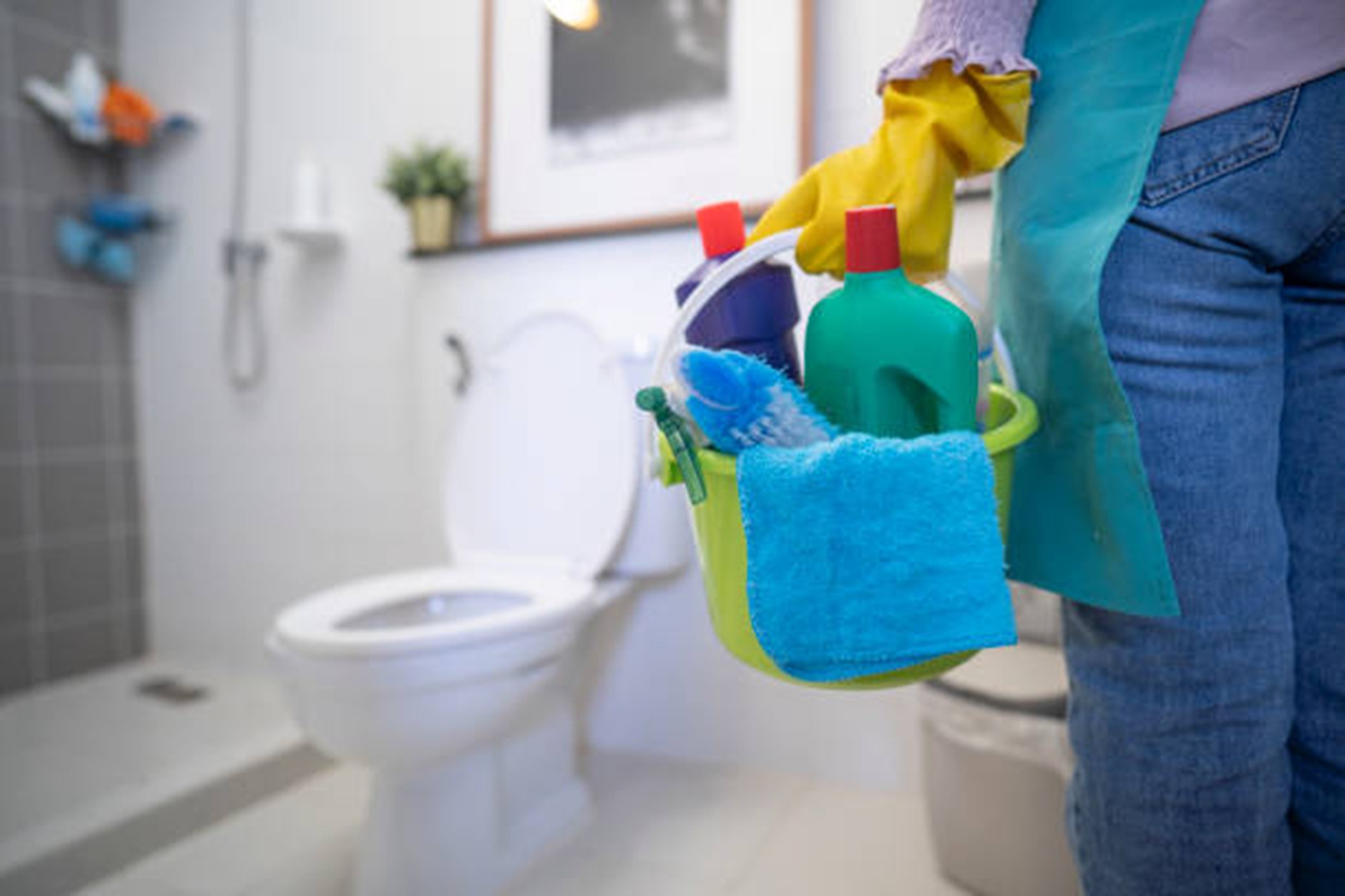
Think about the two places in an office where people gather the most outside their desks.
The restroom and the break room.
One is used for hygiene. The other is where employees eat, prepare food, and relax during the day. If these spaces are not cleaned properly, odors build up quickly, and germs spread faster than most people realize.
That is why office restroom cleaning and break room sanitation are some of the most important parts of workplace cleaning. When handled properly, these areas stay fresh, safe, and comfortable for everyone using them.
Let’s look at how businesses can stop odors and germs quickly with the right cleaning approach.
Key Takeaways
- Restrooms and break rooms are major germ hotspots due to constant use and shared surfaces.
- Most odors come from hidden buildup like urine residue, drains, food spills, and moisture.
- Proper office restroom cleaning should target toilets, grout lines, drains, and sinks.
- Break room appliances and refrigerators can quickly spread germs and odors if not cleaned regularly.
- Regular deep cleaning removes buildup that daily cleaning often misses.
- Good ventilation, window cleaning, and window washing help reduce trapped odors and improve airflow.
Why Restrooms and Break Rooms Are Germ Hotspots
Both spaces share one thing in common: constant use.
Research published in the journal BMC Infectious Diseases found that the break room and restrooms in office buildings contained the highest concentrations of viral contamination compared with other workplace areas. High-touch items such as refrigerator handles, drawer handles, sink faucets, and restroom soap dispensers carried the most microbial traces.
This occurs because multiple employees interact with these surfaces within short time frames, allowing pathogens to transfer easily from person to person.
Without regular deep cleaning, bacteria and odor-causing residue can accumulate on surfaces that appear clean at first glance. That is why consistent sanitation routines are necessary to maintain a healthy workplace environment.
Office Restroom Cleaning Tips to Stop Odors and Germs Fast
Most restroom odors are not caused by “dirty air.” They come from bacteria breaking down moisture, urine residue, soap buildup, and organic waste. If those sources remain on surfaces or in hidden areas, the smell will keep returning even after the restroom looks clean.
Effective office restroom cleaning focuses on removing these odor sources completely rather than masking them with air fresheners.
Here are the key areas that usually cause restroom odors.
• Eliminate Urine Residue Around Toilets
One of the biggest odor sources in office restrooms is urine residue that builds up around the toilet base and floor seams. Even when toilets look clean, tiny splashes can accumulate on grout lines, baseboards, and the underside of the seat.
To remove the odor source:
- Disinfect the toilet base and the surrounding floor
- Clean the hinges and underside of the seat
- Wipe nearby walls or partitions if splashing occurs
Removing this hidden residue is often what stops persistent restroom smells.
• Clean Floor Grout and Corners
Make sure during office restroom cleaning, you also address the porous materials like grout lines or floor seams, where odors usually settle in. Over time, moisture and bacteria collect in these areas and start producing unpleasant smells.
During proper restroom maintenance:
- Scrub grout lines near toilets and sinks
- Disinfect corners where moisture collects
- Mop with a disinfecting solution rather than just water
These areas are often missed during quick cleanups, but are major odor traps.
• Sanitize Drains and Floor Drains
Drains are another common odor source. Organic residue, soap, and bacteria inside the drain can produce strong smells that spread through the restroom.
Cleaning teams should:
- Flush drains with disinfecting cleaners
- Remove visible debris from drain covers
- Clean around floor drain edges
When drains are properly sanitized, restroom odors are significantly reduced.
• Remove Moisture from Counters and Sink Areas
Standing water allows bacteria to grow and produce odors. Sinks, countertops, and backsplash areas can develop smells when moisture sits for long periods.
Office restroom cleaning should include:
- Wiping sink edges and faucet bases
- Drying counters after cleaning
- Removing soap buildup that traps moisture
Keeping these areas dry prevents odor-causing bacteria from multiplying.
• Disinfect High-Touch Surfaces
High-touch areas collect germs throughout the day.
These include:
- Flush handles
- Faucet handles
- Door locks
- Handles Soap dispensers
- Light switches
Disinfecting these surfaces regularly helps reduce the spread of bacteria and viruses.
Break Room Cleaning Tips That Prevent Germ Spread
Break rooms are one of the most active shared spaces in an office. Employees heat food, prepare drinks, store leftovers, and eat meals in the same area throughout the day. Because of this constant use, break rooms can quickly become a source of both bacteria and unpleasant odors if cleaning routines are not consistent.
Food residue, spills, and moisture create the perfect environment for germs to multiply while also producing lingering smells. Proper deep cleaning focuses on removing these sources before they spread across the surface.
• Clean Microwaves and Food Appliances Thoroughly
Microwaves are one of the biggest odor sources in office break rooms. Food splatter inside the microwave can quickly create strong smells and attract bacteria.
Effective cleaning should include:
- Wiping microwave interiors after heavy use
- Removing food splatter from the walls and ceiling inside the appliance
- Disinfecting microwave buttons and handles
Coffee machines and shared kettles should also be wiped regularly because beverage residue can harbor bacteria and create stale smells over time.
• Sanitize Refrigerator Handles and Interior Shelves
Office refrigerators often store multiple employees’ food at the same time. Spilled liquids, expired leftovers, and sticky shelves can quickly create both odor and bacterial growth.
Break room cleaning should include:
- Wiping refrigerator handles and door edges daily
- Cleaning interior shelves to remove spills
- Discarding expired food items
This prevents bacteria from spreading and keeps the refrigerator from becoming a major odor source.
• Disinfect Tables and Food Preparation Areas
Tables and countertops are touched by many people throughout the day. Germs can easily transfer from hands to surfaces where others prepare food.
Cleaning should focus on:
- Disinfecting tables after lunch hours
- Wiping food preparation areas thoroughly
- Removing crumbs and spills that attract bacteria
Keeping these areas sanitized reduces cross-contamination while preventing leftover food particles from producing odors.
• Control Trash and Food Waste Before Odors Spread
Trash bins in break rooms fill quickly with food packaging, leftovers, and beverage containers. Once organic waste begins to break down, odors can spread across the room.
Proper waste management includes:
- Emptying trash bins daily
- Replacing liners regularly
- Cleaning the inside and outside of trash bins
When combined with regular deep cleaning, this routine prevents bacteria buildup and keeps break rooms smelling fresh throughout the workday.
Other Factors That Impact Germs and Odors in Restrooms and Breakrooms
• Ventilation and Moisture Control Matter
Even well-cleaned spaces can develop odors if moisture builds up. Bathrooms and kitchens naturally produce humidity, which allows bacteria and mold to grow.
Good cleaning practices include:
- Keeping floors dry
- Wiping wet counters
- Ensuring restroom ventilation fans function properly
These steps help prevent moisture-related odors.
• Don’t Overlook Windows and Airflow
Natural airflow also helps maintain freshness in restrooms and break rooms. Dusty windows and blocked air circulation can trap odors inside these spaces.
That is why periodic window cleaning and window washing are useful for improving air circulation and maintaining a pleasant environment. Clean windows allow natural light to enter and help reduce the stale feeling that can develop in enclosed workplace spaces.
• Drain and Plumbing Maintenance
Hidden plumbing areas can also contribute to persistent odors and bacterial growth. Floor drains, sink drains, and garbage disposal units often collect organic residue, soap buildup, and food particles over time.
If these areas are not cleaned regularly, bacteria begin breaking down the residue, which creates unpleasant smells that spread throughout the room.
To prevent this issue:
- Flush drains with disinfecting cleaners periodically
- Remove debris around drain covers
- Clean sink strainers and disposal openings
- Check for slow drainage that may indicate a buildup
Conclusion
Restrooms and break rooms are some of the most frequently used areas in any workplace, which makes them critical points for odor control and germ prevention. When these spaces are cleaned properly, they help create a healthier environment where employees feel comfortable throughout the day.
Focusing on regular sanitation, proper waste management, ventilation, and occasional deep cleaning keeps these areas fresh and hygienic.
If your office needs reliable cleaning support, 3LA Cleaning can help maintain spotless restrooms and break rooms with professional care. Book an appointment.
FAQs
Can cleaning services that do residential cleaning also handle office sanitation?
Yes. Many companies that provide residential cleaning also offer workplace sanitation services. The same detailed cleaning techniques used in homes, especially for kitchens and bathrooms, are very effective for office restrooms and break rooms.
How can businesses tell when office restroom cleaning needs to be done more frequently?
If restrooms develop odors before the end of the workday, supplies run out quickly, or surfaces feel sticky, it usually means office restroom cleaning frequency should increase. High employee traffic often requires additional midday sanitation to maintain hygiene.
Can poor restroom and break room hygiene affect employee productivity? Yes. Unpleasant odors and unhygienic shared spaces can make employees avoid restrooms or break rooms, which affects comfort during the workday. Consistent office restroom cleaning helps maintain a healthier and more comfortable workplace environment.