

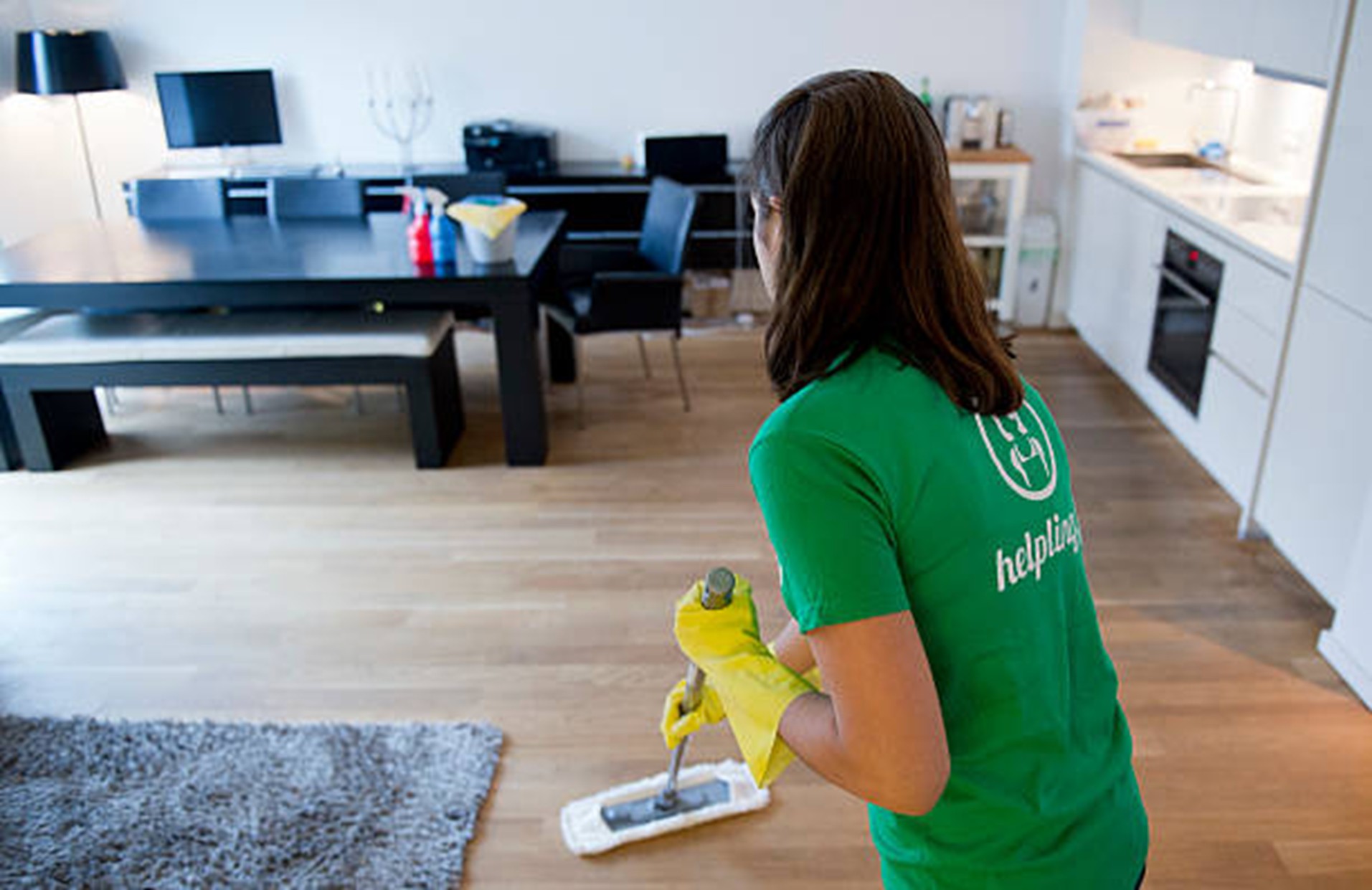
Not every floor should be cleaned the same way. A cleaner that works well on tile may damage hardwood. Too much water may be fine for some surfaces, but it is harmful for laminate. A rough brush may remove grime from grout but leave scratches on vinyl.
That is why floor cleaning should always start with one question: what material are you cleaning?
When you know the surface, you can choose the right tools, the right amount of moisture, and the safest cleaning method. This helps your floors look better, last longer, and avoid damage that often comes from using the wrong product.
Floor Cleaning for Hardwood
Hardwood floors bring warmth and value to a home, but they need careful cleaning. The biggest risk with hardwood is moisture. Wood can absorb water, which may cause swelling, warping, stains, or dull spots.
Start With Dry Soil Removal
Before mopping, remove dust, crumbs, and grit. Use a soft broom, dust mop, or vacuum with a hard-floor setting. Avoid vacuums with stiff rotating brushes because they can scratch the finish.
This step matters because grit acts like sandpaper under your feet. If you mop without removing it first, you may spread particles across the surface and create fine scratches.
Use a Damp Mop, Not a Wet Mop
For hardwood floor cleaning, use a slightly damp microfiber mop. The mop should never be dripping. Too much water can sit between boards or along edges.
Use a cleaner made for finished hardwood floors. Avoid bleach, ammonia, vinegar, and strong alkaline cleaners unless the floor manufacturer approves them. These can weaken or dull the protective finish over time.
Clean in small sections and dry any damp areas quickly with a clean cloth. If you see puddles, you are using too much water.
What to Avoid on Hardwood
Do not use steam cleaners on hardwood unless the manufacturer clearly says it is safe. Steam can force moisture into seams and damage the finish. Also, avoid wax products on polyurethane-finished floors, as they can create buildup and make future refinishing harder.
For stains or sticky spots, use a soft cloth and a small amount of approved cleaner. Do not scrape with sharp tools.
Floor Cleaning for Tile
Tile is one of the easier floors to clean, but it still needs the right care. Ceramic and porcelain tile are usually durable, while natural stone tile needs more caution.
Sweep or Vacuum First
Start by removing loose dirt. Pay attention to corners, under cabinets, and around baseboards. These areas collect dust and crumbs that can turn into muddy streaks when mixed with water.
Mop With the Right Cleaner
For ceramic or porcelain tile, warm water and a mild floor cleaner often work well. Use a mop that does not leave too much water behind. Change the water when it gets dirty, or you may spread grime back onto the floor.
For natural stone tile, avoid acidic cleaners like vinegar or lemon-based products. Acid can etch stone and leave dull marks. Use a pH-neutral cleaner made for stone surfaces.
Pay Attention to Grout
Grout is porous, so it collects dirt faster than tile. During deep cleaning, grout may need a soft brush and a grout-safe cleaner. Let the cleaner sit for a few minutes before scrubbing gently.
Avoid metal brushes because they can damage grout. After cleaning, rinse the area with clean water and dry it to prevent residue.
Floor Cleaning for Laminate
Laminate floors can look like wood, but they are made differently. Most laminates have a layered structure with a protective top surface. The main cleaning concern is water getting into seams.
Keep Moisture Low
For laminate floor cleaning, use a dry mop or vacuum first. Then use a barely damp microfiber mop. The floor should dry within a minute or two. If water sits on the surface, use less liquid.
Avoid soaking the floor, using wet string mops, or letting spills sit. Moisture can enter the seams and cause swelling or raised edges.
Choose Gentle Products
Use a laminate-safe cleaner or a small amount of mild cleaner diluted as directed. Avoid oil-based soaps, waxes, and polish products. These can leave a cloudy layer that makes the floor look dirty even after cleaning.
For sticky spots, spray cleaner onto a cloth instead of directly onto the floor. This gives you more control and reduces moisture.
Skip Steam Cleaning
Steam is usually not a good choice for laminate. Heat and moisture can weaken the layers and damage the seams. Even if the floor looks fine at first, repeated steam cleaning may cause problems over time.
Floor Cleaning for Vinyl
Vinyl is popular because it is water-resistant, affordable, and easy to maintain. Still, it can scratch, dull, or discolor if cleaned the wrong way.
Remove Grit Before Mopping
Vinyl can handle daily life well, but grit can still leave marks. Sweep or vacuum first using a hard-floor setting. This keeps small particles from scratching the surface during mopping.
Use Mild Cleaner and Warm Water
For regular vinyl floor cleaning, use warm water and a mild cleaner. A microfiber mop works well because it cleans without rough pressure. Rinse if the cleaner leaves residue, then let the floor dry.
Avoid using too much soap. Soap buildup can make vinyl look cloudy and attract more dirt.
Avoid Harsh Tools
Do not use steel wool, abrasive pads, or stiff brushes on vinyl. These can scratch the wear layer. Also, avoid strong solvents unless the manufacturer says they are safe.
For scuff marks, use a soft cloth and a gentle cleaner. Work slowly instead of scrubbing aggressively.
Common Floor Cleaning Mistakes to Avoid
- One common mistake is using one cleaner for every floor. Different materials react differently, so a product that is safe in one room may not be safe in another.
- Another mistake is using too much water. More water does not mean cleaner floors. In many cases, it leaves streaks, damages seams, or spreads dirty water around.
- People also forget to dry floors after mopping. Drying helps prevent water spots, streaks, and residue. It also reduces slip risks.
- Finally, avoid waiting too long between cleanings. Dirt becomes harder to remove when it builds up. A simple weekly routine can prevent bigger cleaning problems later.
Conclusion
Clean floors change how a home feels. They make rooms look brighter, reduce hidden dust, and help every space feel more cared for. But the best results come from cleaning with the floor material in mind.
Hardwood needs a gentle touch. The tile needs grout attention. Laminate needs low moisture. Vinyl needs mild products and soft tools. Once you understand those differences, floor care becomes simpler and safer.
Need help with floor cleaning without risking damage? Contact 3LA Cleaning for professional home cleaning services tailored to your floor type, room needs, and cleaning goals. Give us a call today.
FAQs
How do I know what type of floor cleaner to use?
Check the floor material first. Hardwood, tile, laminate, and vinyl all need different care. When in doubt, use a mild cleaner made for that specific surface and test it in a hidden spot before cleaning the full area.
Can dirty floors affect indoor air quality?
Yes, floors can hold dust, pollen, pet hair, and small particles brought in from outside. Regular cleaning can reduce buildup and help the home feel fresher, especially in high-traffic areas.
Why do floors feel sticky after mopping?
Sticky floors usually come from too much cleaner, dirty mop water, or leftover residue. Use less product, rinse when needed, and change mop water often.
Should floors be cleaned before or after other home tasks?
Floors should usually be cleaned last. Dust from counters, shelves, furniture, and windows can fall during cleaning. Finishing with floors helps remove anything that settled during the process.
How often should professional floor cleaning be scheduled?
It depends on the home, traffic, pets, and floor type. Many homes benefit from professional cleaning every few months, while busy households may need it more often.
Should I schedule floor cleaning with window cleaning or window washing?
Yes, it can make sense to schedule them together as part of a full residential cleaning service. However, window cleaning or window washing should usually be done before the floors. That way, any dust, water drops, or debris from the windows can be cleaned up during the final floor cleaning step.