

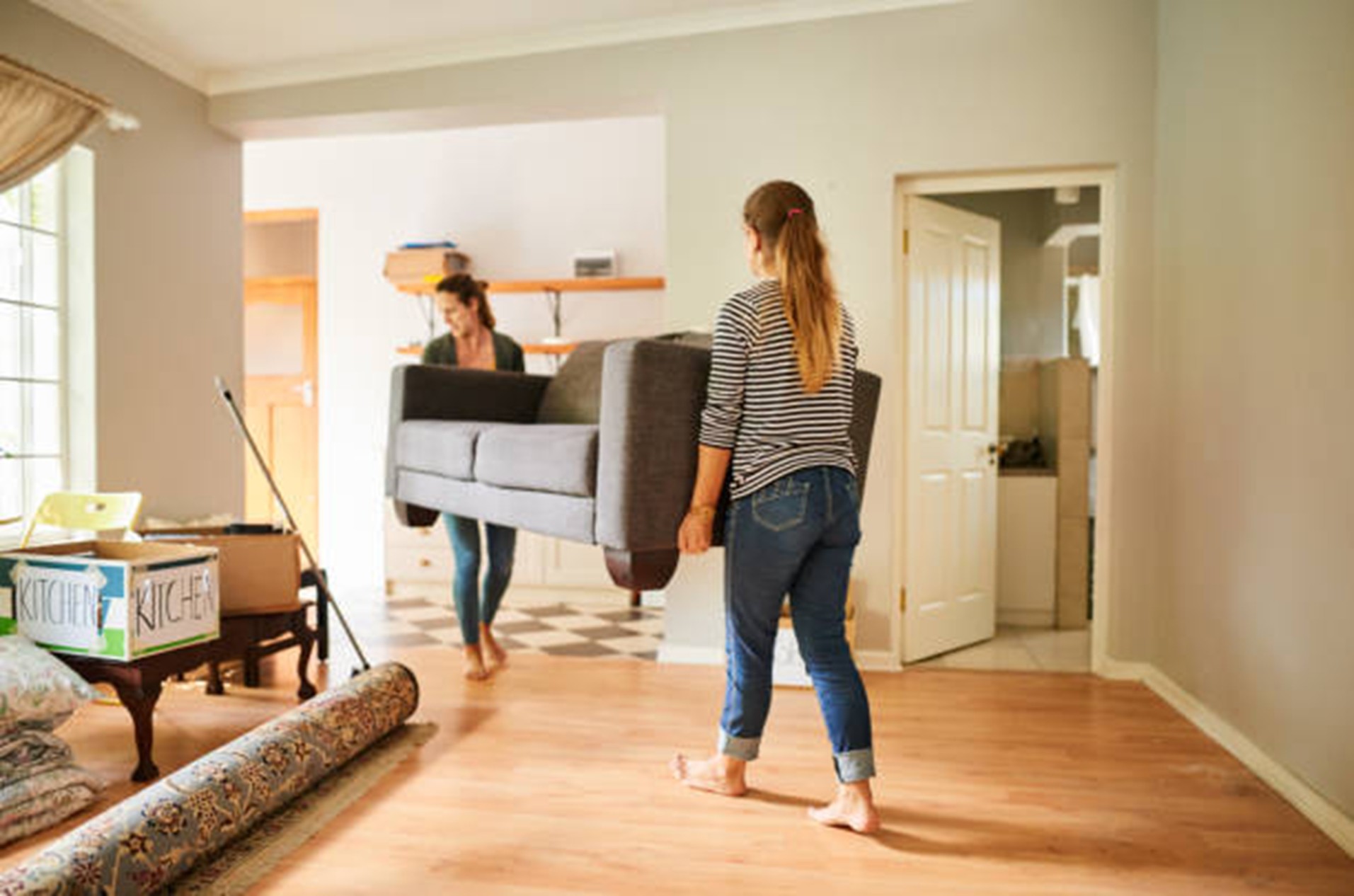
Moving out of a rental can feel overwhelming. Packing, paperwork, scheduling utilities, and organizing transportation already take up most of your time. Then comes another important task many tenants underestimate: move-out cleaning.
Why does it matter so much?
Landlords often inspect the property carefully before returning your security deposit. Even small cleaning issues like grease inside the oven or soap buildup in the bathroom can lead to deductions.
Knowing what landlords typically inspect during property evaluations can help you sidestep unexpected issues and ensure your space is in great shape. Let’s explore the common areas landlords focus on and how thorough cleaning can safeguard your deposit.
Key Takeaways
- Move-out cleaning plays a major role in getting your security deposit back. Landlords often inspect cleanliness before approving refunds.
- Kitchens and bathrooms receive the most attention during inspections. Grease buildup, soap residue, and stains are common issues that lead to deductions.
- Oven cleaning is frequently overlooked but heavily inspected. Removing grease and burnt residue helps appliances appear ready for the next tenant.
- Floors, carpets, and hidden corners should not be ignored. Dust, stains, and debris in less visible areas can affect inspection results.
- Small details can influence the landlord’s final impression. Clean window tracks, light switches, vents, and baseboards help show the property was well-maintained.
- Professional cleaning services can help ensure nothing is missed. Structured cleaning checklists often cover the same standards landlords expect during inspections.
Why Move Out Cleaning Matters More Than Most Tenants Realize
A security deposit exists to cover potential damage or excessive cleaning required after a tenant leaves. If the property needs professional cleaning before the next tenant moves in, landlords may deduct those costs from the deposit. In many rental agreements, tenants are expected to return the unit in “move-in condition.” That means surfaces should look similar to how they appeared when the lease started.
Think about it this way.
If the next renter walks into the apartment expecting a fresh start, the landlord wants everything clean, functional, and ready. That is why thorough move-out cleaning becomes a critical final step before handing over the keys.
Many landlords even use the same checklist that cleaning professionals follow during move-in cleaning to evaluate whether the space is ready for the next tenant.
What Does a Landlord Inspect and What Do You Need to Focus on During Move-Out Cleaning
1. Kitchen Inspection: Where Deposits Are Most Often Lost
The kitchen is one of the most heavily inspected areas in any rental property. Grease, food particles, and stains build up over time, and these are often easy for landlords to notice.
Here are some things they usually check.
Appliances
Appliances are expected to be cleaned both inside and outside. This includes:
- Refrigerator shelves and drawers
- Microwave interior
- Dishwasher filter area
- Stove surface
However, one of the most common reasons deposits are reduced is oven cleaning.
Ovens collect grease, burnt food residue, and smoke stains. If this buildup is visible, landlords may hire professional cleaners to restore it. A deep oven cleaning removes baked-on grease, helping the appliance look ready for the next tenant.
Cabinets and Drawers
Landlords often open cabinets during inspections. Crumbs, sticky residue, or spilled food inside drawers are easy to spot. A proper kitchen cleaning includes:
- Wiping cabinet interiors
- Removing grease from cabinet doors
- Disinfecting countertops
- Cleaning sink fixtures
When done properly, the kitchen should feel fresh and free from odors.
2. Bathroom Cleaning: A Major Inspection Focus
Bathrooms are another place where landlords pay close attention. Moisture and daily use create conditions where soap scum, mineral deposits, and mildew easily develop. During inspections, property managers typically look for the following:
- Soap residue in the shower or tub
- Stains on sinks and countertops
- Buildup on faucets
- Dirty grout lines
- Toilet stains
Thorough bathroom cleaning includes disinfecting surfaces, scrubbing tiles, and polishing fixtures. Mirrors should be streak-free, and floors should be spotless.
Even small details, such as removing hair from drains or wiping down baseboards, can make a strong impression during the inspection.
3. Floors and Surfaces Throughout the Property
Floors are one of the first things landlords notice when they walk into a property. When doing move-out cleaning, you need to cater to different flooring types, which require different cleaning methods.
Carpet
Carpets should be vacuumed thoroughly. If there are visible stains or odors, some leases require professional carpet cleaning before move-out.
Hard Floors
For tile, hardwood, or laminate floors, landlords expect:
- Dust removal
- Proper mopping
- Removal of sticky residue
Corners, edges, and areas behind furniture often collect hidden dust. These areas should also be cleaned during move-out cleaning.
4. Windows, Walls, and Small Details Landlords Notice
Tenants often focus on obvious areas like kitchens and bathrooms, but overlook smaller details. However, landlords frequently check these during final walkthroughs:
- Window sills and tracks
- Fingerprints on light switches
- Dust on baseboards
- Marks on walls
- Air vents and ceiling fans
Window cleaning is especially important because dust and smudges are easily visible in natural light. These small cleaning tasks may seem minor, but they contribute to the overall impression of how well the property was maintained.
Conclusion
Moving out is the final chapter of your rental experience, and how you leave the property can affect your security deposit. A carefully completed move-out cleaning ensures the space looks well-maintained, hygienic, and ready for the next tenant.
Instead of rushing through last-minute cleaning tasks, it helps to approach the process thoughtfully and focus on the areas landlords inspect most closely.
If you want peace of mind before your final walkthrough, we can help. With our support, you can move forward confidently knowing the property is left in excellent condition. Give us a call today.
FAQs
How long does move-out cleaning usually take?
The time depends on the size and condition of the property. A small apartment may take a few hours, while larger homes can require most of the day.
Should tenants take photos after cleaning the property?
Yes. Taking photos after cleaning can help document the condition of the unit in case questions arise during the deposit review.
Do landlords expect professional cleaning receipts?
Some leases require proof of professional cleaning, especially for carpets. Checking your lease agreement can clarify whether documentation is needed.
Can office cleaning services help with large move-out cleanups?
Yes. Many companies that provide office cleaning also handle large residential move-out cleanups. Their teams are trained to clean high-traffic spaces thoroughly, which can be helpful when a property needs detailed cleaning before a landlord inspection.
What is the difference between regular cleaning and move-in cleaning?
Regular cleaning focuses on maintenance, while move-in cleaning is more detailed. It usually includes sanitizing surfaces, wiping cabinets, cleaning appliances, and making sure the home feels fresh before new residents settle in.