

Moving out of a rental property in Chicago comes with pressure; tight timelines, final inspections, and security deposits on the line. One of the most common reasons deposits are delayed or partially withheld is poorly cleaned carpeting. Chicago landlords and property managers often expect carpets to be professionally cleaned, not just vacuumed, especially in high-traffic units exposed to snow, salt, humidity, and urban pollutants.
Move-out carpet cleaning in Chicago is not a surface-level task. It requires deep extraction, correct moisture control, and fast drying methods that align with Chicago’s climate and building standards. This guide is written from the perspective of industry professionals who handle end-of-lease carpet cleaning every day. It covers the best practices that actually work, not shortcuts, so results meet inspection standards and carpets dry quickly without odor, residue, or damage.
Key Takeaways
- Move-out carpet cleaning in Chicago must meet inspection-level standards, not just look clean on the surface.
- Deep extraction and controlled moisture removal are critical to fast drying and odor prevention.
- Chicago’s climate, tracked-in salts, and humidity require specialized cleaning and drying techniques.
- Residue-free methods help carpets stay clean through final walkthroughs and prevent rapid re-soiling.
- Proper equipment selection and trained technique prevent carpet damage, fiber distortion, and pad saturation during move-out cleaning.
Best Practices for Move Out Carpet Cleaning Chicago
Here are some of the best practices used by professional move-out carpet cleaning companies in Chicago:
Best Practice 1: Conduct a Pre-Inspection to Identify Problem Areas
A professional move-out carpet cleaning in Chicago always begins with a thorough inspection. High-traffic zones, entryways, hallways, and areas near windows or HVAC vents typically hold the most soil. In Chicago units, entry carpets often contain de-icing salts that require specialized treatment.
Identifying fiber type, carpet age, previous cleaning history, and existing damage ensures the correct cleaning method is used. This step prevents over-wetting, fiber distortion, and discoloration, common mistakes made when inspections are skipped.
Best Practice 2: Use Commercial-Grade Vacuuming Before Any Moisture Is Applied
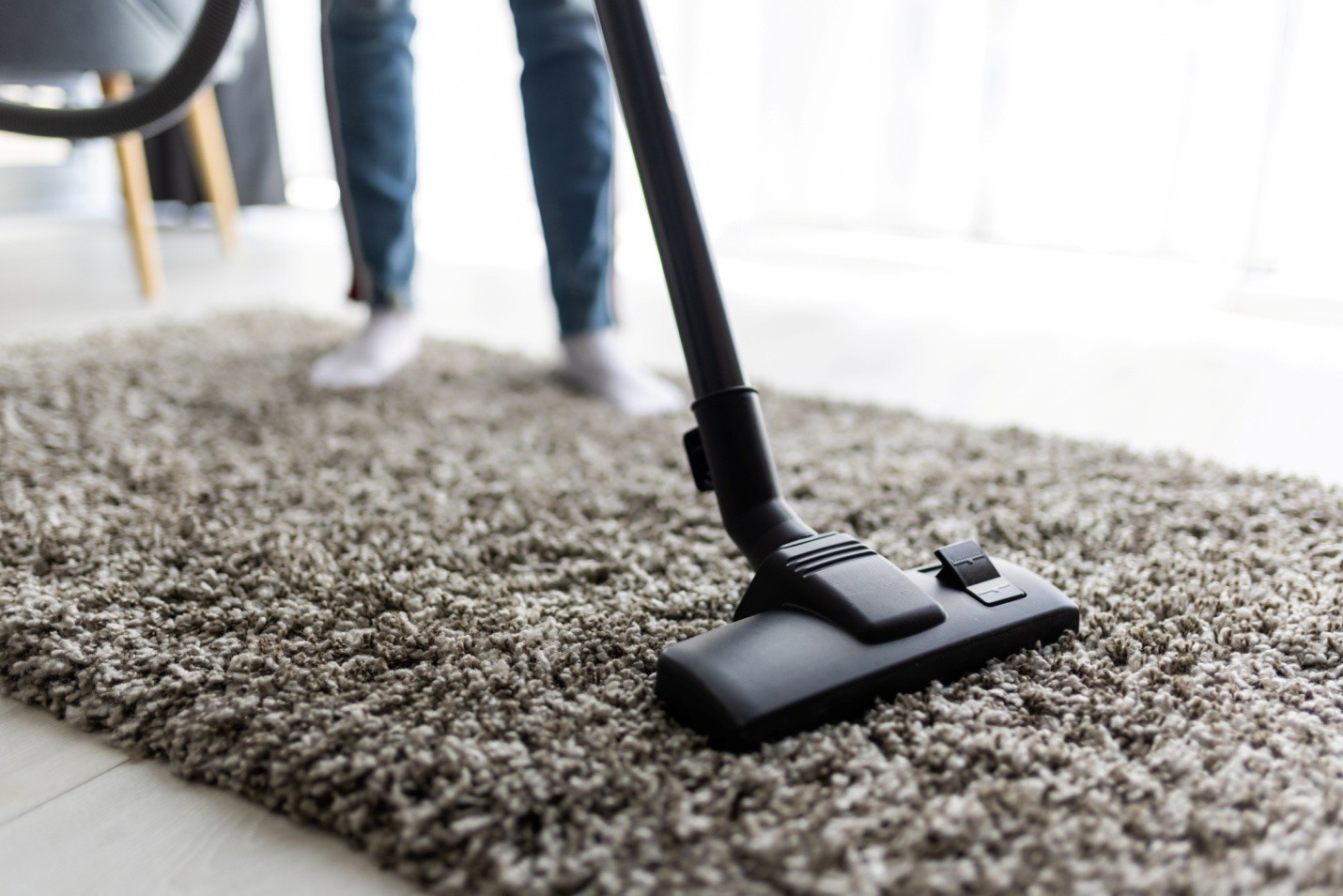
Dry soil removal is one of the most overlooked steps in carpet cleaning, yet it accounts for the majority of soil in carpets. Professional move-out carpet cleaning in Chicago uses high-filtration, commercial vacuums designed to lift embedded grit before water is introduced.
Skipping this step turns soil into mud once moisture is added, making extraction less effective and increasing drying time. In move-out situations, thorough pre-vacuuming improves extraction efficiency and leaves carpets cleaner with fewer passes.
Best Practice 3: Apply Proper Pre-Conditioners for Deep Soil Suspension
Deep extraction relies on chemistry as much as equipment. Pre-conditioning agents are applied to break down oils, residues, and bonded soils that standard water extraction cannot remove alone. In Chicago rentals, cooking oils, tracked-in grime, and pet residues are common.
Professional move-out carpet cleaning in Chicago selects pH-balanced solutions that match the carpet fiber type and soil load. These products are allowed proper dwell time, so soil is loosened without oversaturation. This controlled process significantly improves results while supporting faster drying.
Best Practice 4: Agitate Gently to Reach the Base of the Carpet Fibers
Mechanical agitation is used to help cleaning solutions penetrate to the base of the carpet pile. This step is done using soft brushes or counter-rotating machines that lift fibers rather than damage them.
Agitation ensures uniform cleaning and prevents uneven appearance after drying. It is especially important in Chicago apartments with dense carpeting designed for insulation and sound control, where soil often settles deep within the fibers.
Best Practice 5: Perform Hot Water Extraction with Controlled Pressure
Hot water extraction remains the gold standard for move-out carpet cleaning in Chicago when performed correctly. The key is controlled pressure and temperature, not excessive water. Professional equipment injects heated water deep into the carpet and immediately extracts it along with suspended soil.
Experienced technicians adjust pressure based on carpet construction and padding type. Over-pressurization can force moisture into the pad, increasing drying time and risking odor development, an issue inspectors often notice.
Best Practice 6: Prioritize High-Efficiency Water Recovery
Fast drying starts with how much water is removed during cleaning. High-powered extraction systems with strong vacuum motors recover the majority of moisture in a single pass. Skilled technicians use overlapping strokes and dry passes to maximize recovery.
This step is critical in Chicago’s variable humidity conditions, where excess moisture can linger and lead to musty smells. Proper extraction reduces drying time dramatically and prevents post-cleaning complaints.
Best Practice 7: Use Air Movers Strategically for Accelerated Drying
Professional move-out carpet cleaning in Chicago does not rely on natural airflow alone. Commercial air movers are placed strategically to create cross-ventilation across the carpet surface. This accelerates evaporation without overheating fibers or backing.
In high-rise Chicago apartments or units with limited airflow, this step is essential. Fast drying helps tenants meet move-out deadlines and allows property managers to re-list units sooner.
Best Practice 8: Avoid Residue-Leaving Products That Cause Rapid Re-Soiling
One of the most common mistakes in carpet cleaning is using soaps that leave sticky residues. These residues attract dirt, causing carpets to look dirty again within days; something landlords often notice during final walkthroughs.
Professional move-out cleaning uses rinse agents or residue-free solutions that leave carpets neutral and clean. This not only improves appearance but also extends the clean result through inspection and turnover.
Best Practice 09: Allow Enough Drying Time Before Turning in Keys
One common move-out mistake is cleaning carpets too close to the final key handoff. Even when carpets look dry on the surface, moisture can still be present deeper in the fibers. Turning in keys before carpets fully dry can lead to musty odors or visible damp spots during inspection.
To avoid this, schedule carpet cleaning at least one day before your move-out deadline when possible. This extra time allows carpets to dry completely, settle evenly, and smell fresh, helping ensure they look inspection-ready when the landlord checks the unit.
Wrap Up
Move-out carpet cleaning is about precision, experience, and understanding how carpets respond to deep extraction and controlled drying. In Chicago, where climate and rental expectations are demanding, following best practices is the difference between passing inspection and losing part of a security deposit.
By using proper inspection techniques, advanced extraction methods, and moisture-controlled drying, professional carpet cleaning delivers results that are visible, verifiable, and reliable. Whether you are a tenant preparing to move, a landlord managing turnover, or a property manager maintaining standards, professional move-out carpet cleaning is an investment that protects both property and peace of mind.
Book professional move-out carpet cleaning in Chicago today and leave your rental spotless, dry fast, and inspection-ready with confidence. Call 3 Little Angels Cleaning Service now!
FAQs
- Is professional carpet cleaning required when moving out in Chicago?
Many landlords and lease agreements require professional carpet cleaning, especially in multi-unit buildings and pet-friendly rentals.
- How long does it take for carpets to dry after move-out cleaning?
With proper extraction and air movement, carpets typically dry within 4 to 8 hours, depending on humidity and airflow.
- Can move-out carpet cleaning in Chicago remove pet odors completely?
Yes, when deep extraction is combined with appropriate odor-neutralizing treatments, most pet odors can be effectively eliminated.
- Will carpet cleaning help me get my full security deposit back?
Professional cleaning greatly reduces the risk of deductions related to carpet condition and cleanliness.
- Is steam cleaning safe for all carpets?
When performed by trained professionals using controlled pressure and temperature, hot water extraction is safe for most residential carpets.