

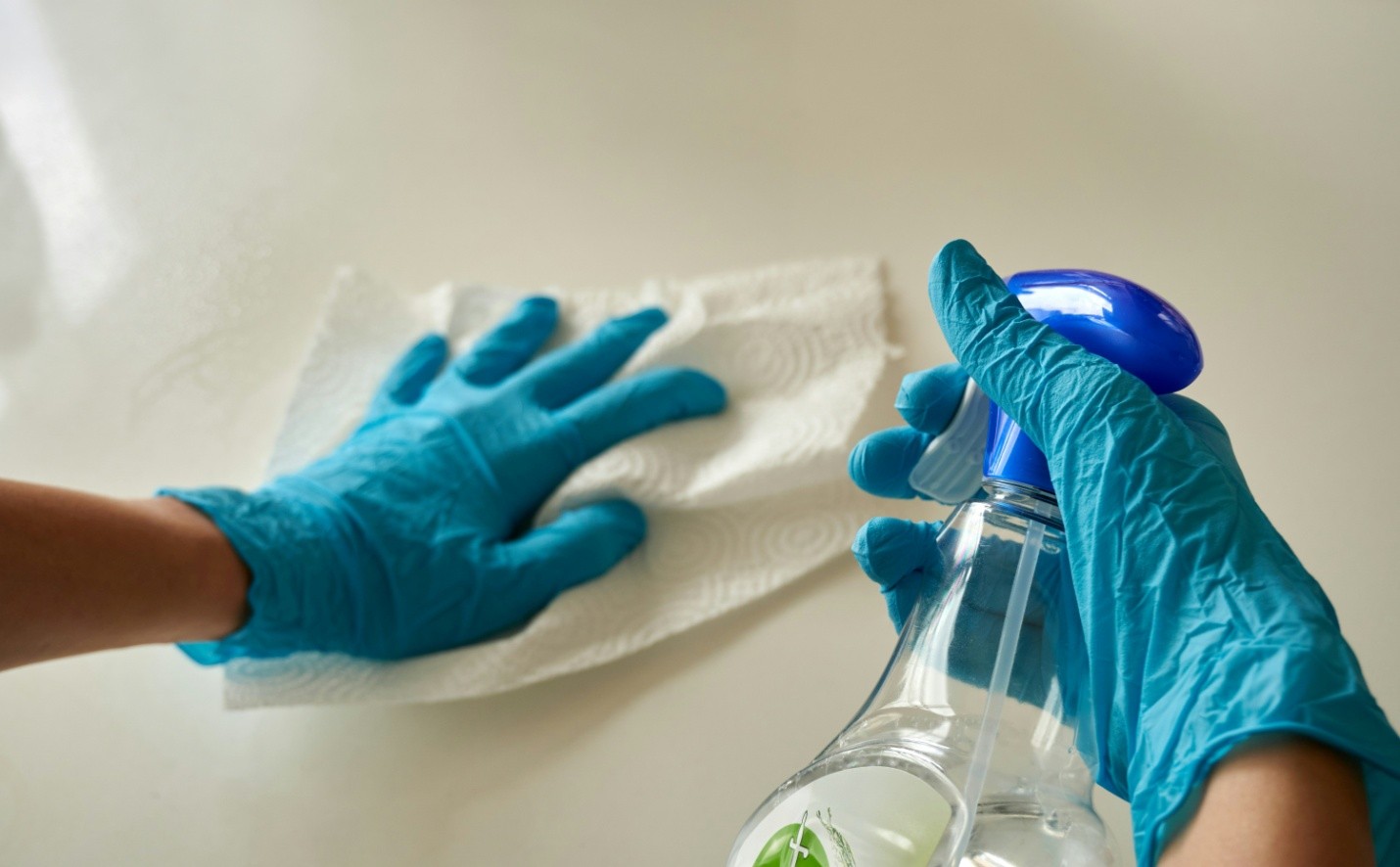
Floor cleaning becomes a lot more demanding when pets are part of the home. One quick walk outside can leave muddy paw prints across the hallway. A playful afternoon can send pet hair into corners, rugs, and floor gaps. And sometimes, even well-trained pets have accidents that leave behind stains or odors that regular mopping does not fully remove.
So, how do you keep your floors fresh without turning cleaning into a daily struggle? The answer starts with using the right methods for the right mess. Floor cleaning for pet homes is not just about removing visible dirt. It is also about controlling hair, treating odors, protecting floor surfaces, and choosing pet-safe products.
This guide shares practical ways to remove paw prints, pet hair, and odors from different flooring types so your home can feel cleaner, fresher, and more comfortable for both you and your pets.
Key Takeaways
- Pet messes require a layered deep cleaning approach, not just surface wiping
- Paw prints, hair, and odors each need different cleaning methods
- Pet-safe products are essential to avoid health risks for animals
- Routine maintenance is more effective than deep cleaning alone
- Floor type determines the safest and most effective cleaning method
- Odor control depends on cleaning both visible and hidden residues
Tips For Floor Cleaning for Pet Homes
1. Daily Dry Cleaning to Control Hair and Dust Build-Up
The most effective habit for pet owners is consistent dry cleaning. Hair and dander accumulate quickly and become harder to remove when mixed with moisture or foot traffic.
A microfiber dust mop or vacuum designed for pet hair is essential here. Microfiber works best for window cleaning because it creates static attraction, pulling hair and fine dust instead of pushing it around. Vacuuming at least once daily in high-shedding homes prevents buildup that later turns into stubborn clumps embedded in corners and baseboards.
This step alone significantly reduces odor formation because loose hair is often where bacteria begin to accumulate.
2. Using the Right Vacuum for Pet Hair Removal
Not all vacuums are effective on pet hair. In homes with animals, suction power matters, but so does brush design. Tangle-free roller brushes and HEPA filtration systems are especially useful because they trap allergens instead of recirculating them.
For carpets, slow overlapping passes work better than quick cleaning. On hard floors, switching off the beater brush prevents scattering debris. Many pet owners overlook edge cleaning, but hair often collects along walls and under furniture where airflow pushes it.
A properly chosen vacuum reduces the need for frequent deep scrubbing later for floor cleaning in pet homes.
3. Immediate Paw Print Cleaning Before They Set
Paw prints are easiest to remove when fresh. Once they dry, they bond with floor finishes, especially on hardwood and textured tiles. A simple pet-safe residential cleaning solution made with warm water and a small amount of mild, non-toxic soap is usually enough. The key is timing; cleaning within minutes prevents streaking and staining.
For homes near entryways, placing absorbent mats helps reduce the frequency of paw prints by trapping moisture and dirt before pets reach the flooring.
4. Clean Accidents Before Odors Set In
Pet accidents should be cleaned as soon as possible because odors can settle into flooring, grout, carpet fibers, or wood seams. Blot the area first instead of rubbing, especially on rugs or carpets. For hard floors, clean the spot with a pet-safe cleaner and dry it well afterward.
Enzyme-based cleaners can help break down odor-causing residue instead of simply covering the smell. Fast cleanup protects your floors and helps reduce the chance of pets returning to the same spot.
5. Match the Cleaning Method to the Flooring Type
Not every floor should be cleaned the same way. Tile and vinyl can usually handle more moisture, while hardwood and laminate need a lighter approach. Too much water can damage wood, cause swelling, or leave dull patches behind.
Carpet requires deeper odor control and regular vacuuming to remove trapped hair. Before using any cleaner, check whether it is safe for your specific flooring. Good floor cleaning is not only about removing messes. It is also about protecting the surface.
6. Keep Food and Water Areas Cleaner
Food and water stations can create sticky spots, crumbs, drool marks, and water stains on the floor. Place a washable mat under bowls to catch spills before they spread. Wipe the area daily, especially if your pet eats wet food or drinks messily.
For hard floors, dry the area after cleaning to prevent water marks or slipping. This small habit keeps one of the messiest areas under control and does not require you to spend time in deep cleaning.
7. Remove Urine Stains Without Damaging the Floor
When it comes to floor cleaning for pet homes, acting quickly after an accident can help prevent stains and long-term odors. Blot the area with paper towels to absorb as much liquid as possible without rubbing it deeper into the surface. Then clean the spot with an enzyme-based cleaner that is suitable for your flooring type.
Hardwood floors should be dried immediately to prevent moisture damage, while carpets may require additional extraction if the stain has soaked into the padding. Prompt cleanup helps protect your floors and keeps unpleasant odors from lingering.
Wrap Up
Keeping floors clean in a pet-friendly home is not about chasing every mess after it happens. It is about creating a simple routine that helps you stay ahead of paw prints, hair, stains, and odors before they become harder to manage.
The right floor cleaning approach combines quick daily care, pet-safe products, and deeper cleaning based on your flooring type. With consistent habits, your home can feel fresher, cleaner, and more comfortable without making cleaning feel like a constant struggle.
Need help keeping pet mess under control? 3LA Cleaning can help you maintain cleaner floors and a fresher home with professional cleaning services made for real everyday living.
FAQs
How often should I clean floors in a home with pets?
Light cleaning should be done daily, especially in high-traffic areas. Deeper cleaning depends on shedding levels but is typically needed once or twice a week.
What is the best way to remove pet urine smell from floors?
Enzyme-based cleaners are most effective because they break down odor-causing compounds instead of masking them.
Can I use vinegar to clean pet messes?
Vinegar can help with light cleaning, but it is not effective for deep odor removal and may not be suitable for all floor types, especially natural stone.
How do I stop my floors from getting muddy paw prints constantly?
Using entry mats, wiping paws before entering, and trimming fur around paws significantly reduces mud tracking.
Are steam mops safe for pet homes?
Yes, but only for sealed floors like tile or some hardwood finishes. Always check manufacturer recommendations before use.
What is the biggest mistake pet owners make when cleaning floors?
The most common mistake is only cleaning visible dirt while ignoring odor sources and embedded hair buildup in corners, carpets, and grout lines.